Sustainable Materials in Modern Lifestyle Accessories: What to Know Before You Buy

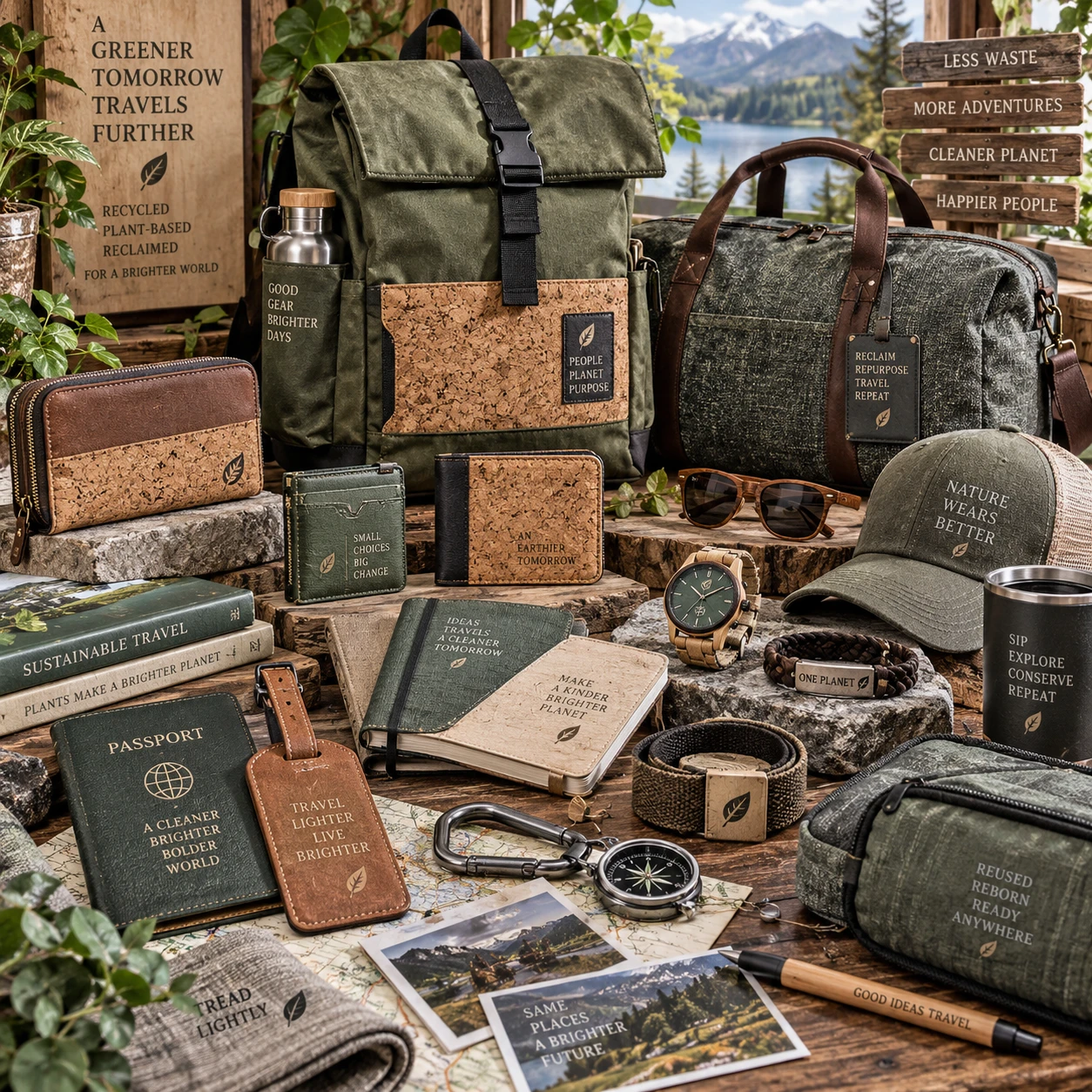
Sustainable materials are changing the look and feel of everyday accessories, from backpacks and wallets to watch straps and travel organizers. But a material label alone cannot tell you whether a product will last or how responsibly it was made. The useful questions are what the material is, how the item is constructed, and whether you can care for it over time.
What Makes an Accessory Material Sustainable?
A material is more sustainable when its sourcing and production reduce harm, the finished accessory performs well for years, and its end of life is considered. There is no single label that answers all three questions, so assess the material alongside the product’s construction and expected lifespan.
Start with where the feedstock comes from. Recycled fibers may use existing plastic or textile waste; organic cotton is grown under standards that restrict certain synthetic pesticides and fertilizers. Cork is harvested from bark, while hemp comes from a fast-growing fiber crop. Each has a different agricultural or recovery story, and processing still matters.
Next, consider manufacturing. Dyeing, coatings, laminates, hardware, and assembly can change a product’s overall footprint. A fabric described as recycled may still be bonded to a non-recyclable lining, for example. Durability matters too: a bag that fails after one season may need replacing sooner than a heavier item designed for repair.
Finally, ask what happens when the accessory is worn out. A simple, single-material item can be easier to recycle than a product combining fabric, foam, metal, and adhesive. In practice, a useful test is source, service life, and next step: identify the input, estimate how long it will serve you, and check whether it can be repaired, reused, or responsibly sorted at end of life.
Common Sustainable Materials in Everyday Accessories
Common lower-impact options include recycled polyester, organic cotton, cork, hemp, recycled metal, and plant-based leather alternatives. Each can be useful, but none is automatically sustainable in every product or application.
Recycled polyester is often made from reclaimed plastic, such as used packaging, and is valued for its light weight and resistance to moisture. It suits bags, pouches, and travel accessories. It remains a synthetic plastic fiber, however, and washing can release microfibers; construction and care instructions matter.
Organic cotton offers a familiar, breathable feel for totes, caps, and soft organizers. Organic farming standards address how cotton is grown, but they do not guarantee low water use everywhere or a long-lasting finished item. Look at fabric weight, stitching, and whether the product is lined.
Cork is lightweight and naturally distinctive, making it popular in wallets, cases, and watch straps. It is commonly used as a thin surface layer on a textile backing, so check what lies beneath it. Hemp can create sturdy woven fabrics for bags and accessories, though its texture may feel coarse unless blended or specially finished.
Recycled metal appears in buckles, clasps, frames, and jewelry. It can be durable, but the percentage of recycled content and the ability to separate components vary. Plant-based leather alternatives range from cork and mycelium-based materials to fruit-waste blends. Many use coatings, binders, or synthetic backing, so the source material alone does not describe the whole composition.
How Materials Show Up in Modern Lifestyle Products
Sustainable materials appear across bags, wallets, travel items, and wearable accessories, with each material best suited to particular jobs. Match the material to the stress, weather, and contact the product will face rather than choosing by appearance alone.
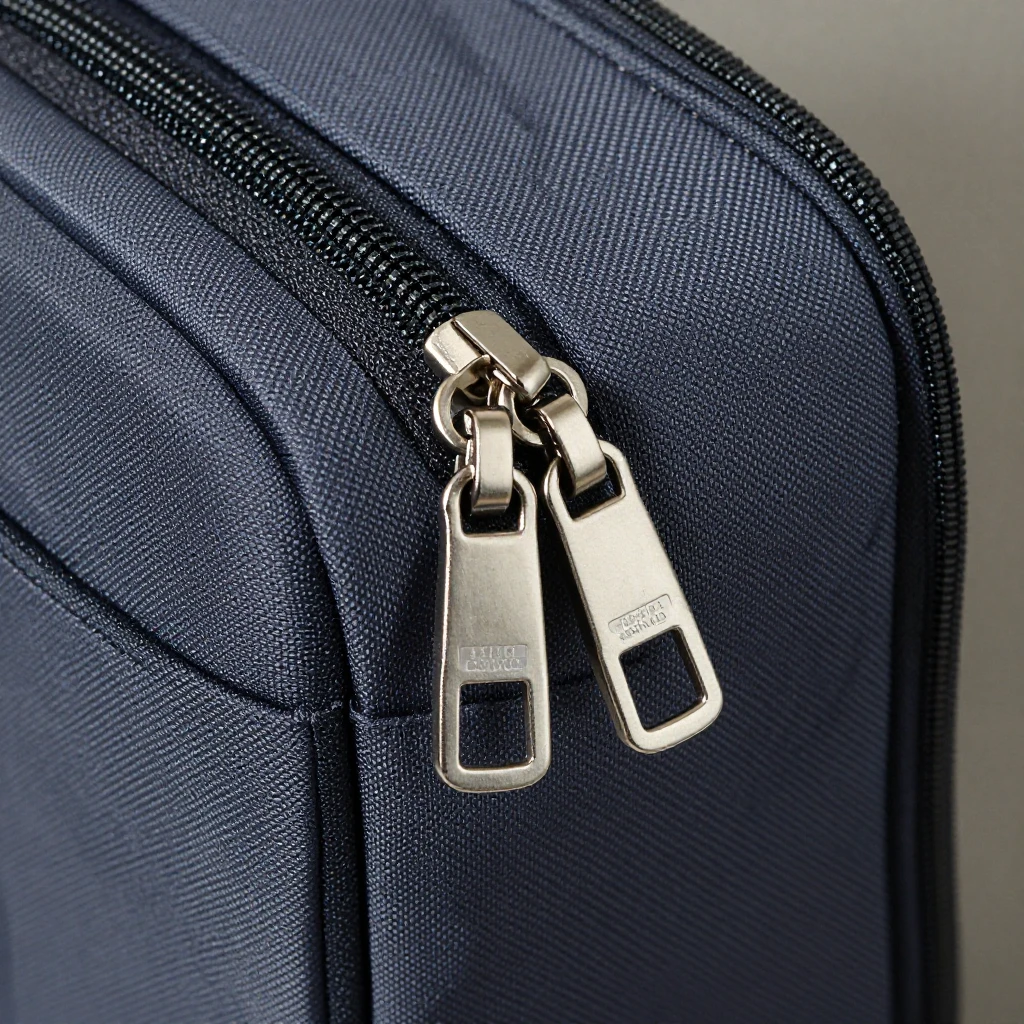
For daily commuting, recycled polyester can work well in a backpack exposed to light rain and frequent handling. Check the zipper, seams, and base panel: these high-stress areas often determine how long the bag lasts. Organic cotton is a comfortable choice for a grocery tote or lightweight organizer, but a thin, unlined version may not suit heavy loads or wet conditions.
Cork can give a wallet or card case a distinctive surface without the feel of conventional leather. Hemp canvas makes sense for a casual carryall that benefits from a robust woven fabric. Recycled metal is useful in hardware that gets repeated contact, such as a belt buckle or bag clasp, provided it is firmly attached and can be repaired if it loosens.
Travel accessories bring several materials together: a recycled-polyester packing cube may include a mesh panel, synthetic zipper tape, and metal pulls. A plant-based leather alternative might suit a compact accessory case, but its flexibility and resistance to abrasion depend on the specific formulation. Read the product details for the complete material breakdown, not just the headline fabric.
Comparing Performance, Comfort, and Care
Performance depends on the material, its finish, and how the accessory is used. Recycled polyester tends to handle damp conditions better than untreated cotton or hemp, while cork and plant-based leather alternatives need care suited to their backing and coatings.
Use this quick comparison as a starting point, then follow the maker’s care label:
- Recycled polyester: Lightweight and often easy to wipe clean; avoid unnecessary washing and use a laundry bag if machine washing is permitted to help limit microfiber release.
- Organic cotton: Soft and breathable, but it can absorb moisture, shrink, or fade. Spot-clean first and follow washing instructions.
- Cork: Light and comfortable in small accessories; wipe gently and keep it away from prolonged soaking or harsh cleaners.
- Hemp: Often sturdy in woven products, though it may crease or feel rough. Check whether washing is allowed and how the fabric may soften.
- Recycled metal: Usually suited to hard-wearing hardware, but finishes can scratch or tarnish. Keep clasps dry when the maker advises it.
- Plant-based leather alternatives: Feel and durability vary widely. Clean with a soft damp cloth unless the product instructions specify another method.
Consider comfort in direct contact with skin, too. A watch strap or wallet may benefit from a soft backing, while a load-bearing bag needs reinforced seams and well-finished edges. Material durability is a property of the whole item: fabric quality, stitching, closures, and repair options can matter as much as the fiber.
How to Evaluate Sustainability Claims
Evaluate sustainability claims by checking the exact material, the evidence behind the claim, and the product’s full construction. Environmental certifications can help, but their meaning depends on what they cover and whether they apply to the material, facility, or finished product.
Use this checklist before buying:
- Find the composition: Look for percentages and components, such as recycled polyester fabric, a cotton lining, and metal hardware. “Eco-friendly” alone is too vague to compare.
- Check what is certified: Identify the certification name and scope. A textile standard may address particular chemical or processing requirements; it does not automatically certify every part of an accessory.
- Look for traceable detail: Clear sourcing information, recycled-content percentages, and production disclosures are more useful than broad claims such as “green” or “planet-friendly.”
- Assess construction and repair: Check seam reinforcement, replaceable parts, repair guidance, and whether the brand offers a take-back or recycling route.
- Match claims to the product: A material described as compostable may require specific industrial conditions and may not break down in a home compost bin. Confirm the disposal instructions and local options.
Watch for two common buying errors. First, assuming recycled content guarantees a lower impact across the full product can hide coatings, dyes, or short service life. Second, treating a plant-based leather label as proof that an item is plastic-free can overlook synthetic binders or backing. Ask for the full material breakdown, then weigh it against expected use and durability.
Choosing Accessories That Fit Your Needs
Choose a sustainable-material accessory by starting with its job, then comparing durability, care, and verified material information. The best fit is usually the item you will use often, maintain easily, and keep in service rather than replace quickly.
For a daily bag, prioritize reinforced stress points, dependable closures, and a fabric suited to your local weather. For a wallet or small case, surface feel and resistance to scuffing may matter more than water resistance. For a travel item, low weight and easy cleaning can be worth accepting a synthetic lining, as long as the construction is sound and the trade-off is clear.
Before buying, ask yourself:
- Will I use this accessory regularly, and does it suit the way I carry or store things?
- Can I follow its care instructions with the time and products I have?
- Are the seams, hardware, and high-wear areas built to last?
- Does the maker identify material percentages and explain relevant certifications?
- If a part breaks, can I repair it or replace the component?
When comparing two similar products, favor the one with clearer disclosures, practical repair options, and construction suited to your routine. A premium material does not compensate for weak stitching, and a lower-impact fiber is of limited value if the item stays unused in a drawer. Buy for actual use, care for the product as directed, and let transparency and longevity guide the final choice.
Frequently Asked Questions
Which sustainable materials are commonly used in lifestyle accessories? Recycled polyester, organic cotton, cork, hemp, recycled metal, and plant-based leather alternatives are common options. Their suitability depends on product design, processing, and construction.
Are recycled materials as durable as conventional materials? They can be, but durability varies by fiber quality, manufacturing, and use. Check seams, hardware, fabric weight, and care guidance rather than relying on the recycled label alone.
What should I look for in a plant-based leather alternative? Check the full composition, including backing, coatings, and binders. Then look for care instructions and evidence of abrasion or water resistance relevant to how you will use it.
How can I care for sustainable-material accessories? Follow the product label, spot-clean when practical, avoid harsh cleaners, and dry items fully before storing. Care needs differ, so do not assume every natural or recycled material can be washed the same way.